 Found a mistake on the site? Tell us:

 Telegram
 укр
укр рус
рус AgriCatalogue

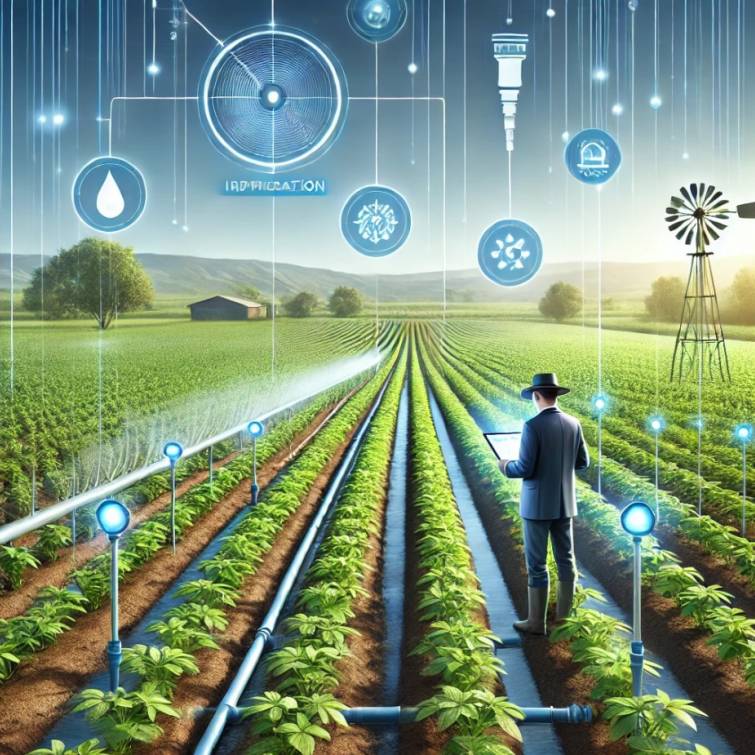
Modern Irrigation Systems: Saving Water and Increasing Yields
In the face of climate change and growing water scarcity, modern irrigation systems are essential for efficient agriculture. These systems minimize water waste, increase crop yields, and improve product quality. Let’s explore the main types of irrigation systems, their advantages, and how to choose the right one.
Why Are Modern Irrigation Systems Important?
-
Water Conservation
Traditional methods, such as field flooding, are inefficient and lead to significant water loss. Modern technologies deliver water directly to plant roots, reducing waste. -
Increased Yields
Even and precise water distribution creates favorable growing conditions, leading to higher yields. -
Cost Reduction
Automation reduces labor costs, and efficient water use lowers expenses. -
Soil Quality Improvement
Modern systems prevent soil salinization and erosion, preserving its fertility.
Key Types of Modern Irrigation Systems
-
Drip Irrigation
Water is delivered directly to plant roots through drip emitters placed along rows. This is one of the most efficient irrigation methods, minimizing water loss and ensuring uniform moisture distribution.Advantages:
- Saves up to 70% of water compared to traditional methods;
- Suitable for all crops, especially vegetables and fruits;
- Reduces disease risk as leaves remain dry.
-
Sprinkler Irrigation
Water is sprayed through specialized nozzles, mimicking natural rainfall. This system works well for fields with cereals and pastures.Advantages:
- Provides uniform irrigation over large areas;
- Helps cool plants in hot weather;
- Convenient for uneven terrain.
-
Subsurface Drip Irrigation
Water is delivered to plant roots through pipes buried in the soil. This method prevents evaporation and ensures precise moisture delivery.Advantages:
- Minimizes water loss through evaporation;
- Durable system as pipes are protected from damage;
- Allows for mechanical fieldwork without disruption.
-
Automated Irrigation Systems
These systems use sensors and software to monitor soil moisture, temperature, and water levels. They automatically adjust water delivery based on weather conditions.Advantages:
- Saves time and resources;
- Delivers precise irrigation tailored to plant needs;
- Can be controlled remotely.
How to Choose the Right Irrigation System?
-
Consider Soil Type
Drip irrigation is ideal for sandy soils, while sprinkler systems work better on clay soils. -
Assess Climatic Conditions
In arid regions, choose systems that minimize evaporation, such as drip or subsurface irrigation. -
Analyze Crop Needs
For example, vegetables and fruits require uniform irrigation, while cereals can thrive with sprinkler systems. -
Evaluate Plot Size
Drip irrigation is more effective for small plots, while sprinkler or automated systems are suitable for large fields. -
Budget Considerations
Installation and maintenance costs vary depending on the technology. Drip irrigation may have higher initial costs but offers long-term savings.
Benefits of Modern Irrigation Systems
- Resource Efficiency: Optimizes water and energy use.
- Climate Resilience: Enables effective irrigation even in dry conditions.
- Eco-Friendliness: Reduces the need for chemical fertilizers by improving water and nutrient distribution.
- Long-Term Savings: Cuts costs on water, labor, and maintenance.
Conclusion
Modern irrigation systems are an investment in sustainable agriculture. They not only save water and increase yields but also enhance product quality. The choice of system depends on climatic, soil, and economic conditions, but one thing remains constant: implementing these technologies opens new opportunities for farmers, promotes resource efficiency, and boosts productivity.