 Found a mistake on the site? Tell us:

 Telegram
 укр
укр рус
рус AgriCatalogue

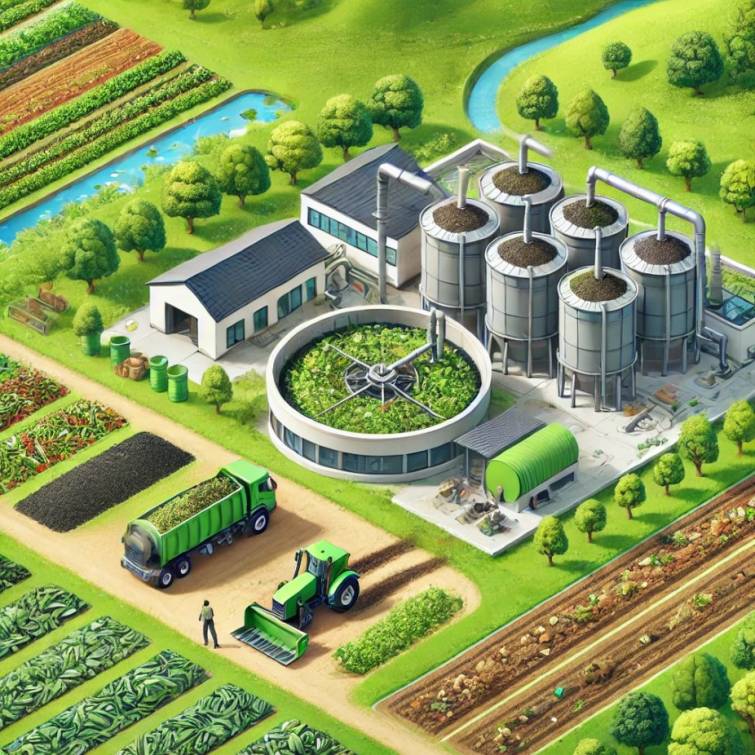
Agricultural Waste Recycling: Business Ideas for Sustainable Development
Agricultural waste, including plant residues, manure, and food scraps, represents not only an environmental challenge but also an opportunity to create profitable and sustainable businesses. Recycling these materials helps reduce environmental impact, increase the profitability of the agricultural sector, and promote the development of a circular economy. Let’s explore key directions for agricultural waste recycling and promising business ideas.
Why Is Agricultural Waste Recycling Important?
- Reducing Pollution: Agricultural waste, if not properly managed, can contaminate soil, water, and air.
- Lowering Greenhouse Gas Emissions: Decomposing organic waste releases methane and carbon dioxide, contributing to climate change.
- Economic Benefits: Recycled waste can be transformed into valuable products like fertilizers, biofuels, and animal feed.
Business Ideas for Agricultural Waste Recycling
-
Producing Organic Fertilizers
Converting manure, plant residues, and food scraps into compost or vermicompost is one of the simplest and most in-demand recycling methods. Organic fertilizers improve soil structure and fertility, making them popular among farmers. -
Biogas Production
Manure, food waste, and other organic materials can be used to produce biogas. This eco-friendly fuel can be utilized for heating, electricity generation, or as a substitute for natural gas. -
Animal Feed Production
Processed plant residues, such as straw or husks, can be used to create animal feed additives. This reduces feed costs and minimizes waste. -
Bioplastic Manufacturing
Organic waste like corn stalks or potato peels can be processed into bioplastics, an environmentally friendly alternative to conventional plastics. -
Wood Pellet Production
Wood-processing by-products like wood chips and sawdust can be recycled into pellets for use as biofuel in heating systems. -
Extracting Valuable Compounds
Agricultural waste such as fruit or vegetable peels can be processed to extract essential oils, dyes, or pectin for use in the food and cosmetic industries. -
Building Material Production
Straw, rice husks, and other plant residues can be used to produce eco-friendly building materials like panels or bricks.
Advantages of Recycling Agricultural Waste
- Environmental Sustainability: Reducing pollution and lowering greenhouse gas emissions.
- Economic Benefits: Recycling waste creates additional income sources for farmers and enterprises.
- Energy Independence: Biogas and other recycled products can be used to meet energy needs.
- Job Creation: Developing waste recycling enterprises boosts employment in rural areas.
Strategies for Successful Business Implementation
-
Invest in Equipment
Modern recycling equipment, such as composters and biogas plants, enhances efficiency and product quality. -
Partner with Farmers
Collaborating with agricultural enterprises to collect raw materials reduces costs and ensures a steady supply. -
Develop Marketing Strategies
Promoting eco-friendly products like organic fertilizers or bioplastics appeals to consumers interested in sustainability. -
Leverage Government Support
Take advantage of grants, subsidies, and tax incentives offered for waste recycling projects.
Conclusion
Recycling agricultural waste is not only a way to mitigate environmental harm but also an opportunity to create a sustainable and profitable business. Utilizing innovative technologies, adopting eco-friendly practices, and collaborating with market participants can unlock the potential of this field. In the context of growing demand for sustainability, agricultural waste recycling is becoming an essential component of the modern agricultural economy.