 Found a mistake on the site? Tell us:

 Telegram
 укр
укр рус
рус AgriCatalogue

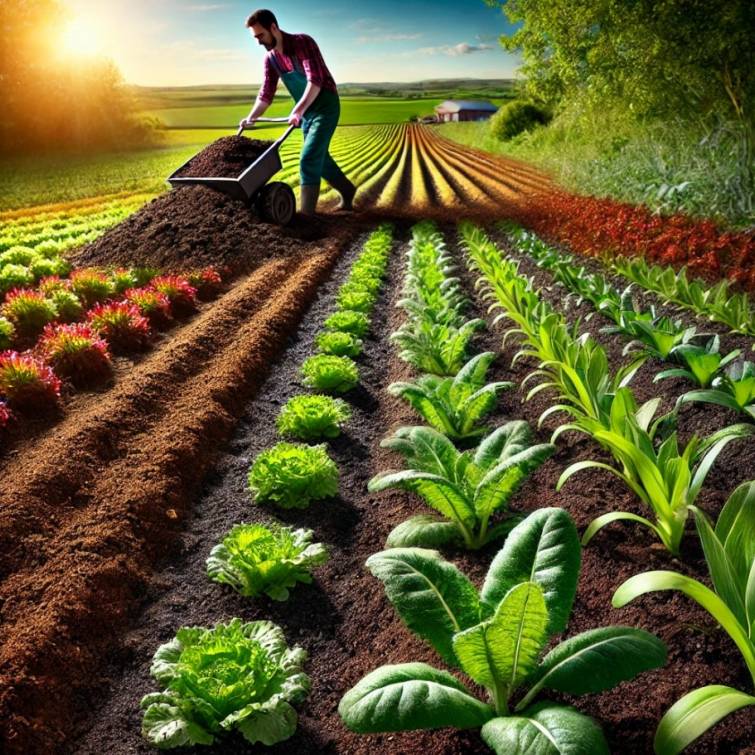
Preserving Soil Fertility: Best Practices and Strategies
Soil fertility is the foundation of sustainable agriculture and a guarantee of high yields. However, intensive farming, the use of chemical fertilizers, and poor land management lead to soil degradation. Let us explore the best practices and strategies to preserve soil fertility for future generations.
Causes of Soil Fertility Loss
- Soil Erosion: Wind and water erosion wash away the top, most fertile soil layer.
- Depletion of Organic Matter: Excessive use of chemical fertilizers reduces humus levels.
- Soil Compaction: Constant movement of heavy machinery deteriorates soil structure, limiting water and oxygen access.
- Acidity and Salinization: Improper fertilization or over-irrigation worsen soil’s chemical composition.
Best Practices for Soil Fertility Preservation
-
Crop Rotation
Rotating crops prevents soil depletion and reduces pests and diseases. For example, alternating grains with legumes restores nitrogen balance in the soil. -
Cover Crops
Planting cover crops like clover or alfalfa improves soil structure, prevents erosion, and enriches the soil with organic matter. -
Organic Fertilizers
Compost, manure, and green manures enhance humus content, improving the soil’s water-holding capacity and microbiological activity. -
Minimal Tillage (No-Till Farming)
This method reduces erosion while preserving soil structure, microorganisms, and organic matter. -
Windbreaks
Planting windbreaks helps reduce wind erosion, protecting the topsoil. -
Efficient Irrigation
Drip irrigation avoids overwatering, which can lead to soil salinization. -
Mulching
Covering soil with organic material like straw or grass clippings reduces water evaporation, shields the soil from overheating, and minimizes erosion risks.
Soil Management Strategies
-
Soil Monitoring
Regular soil testing identifies its chemical and physical composition, nutrient levels, and acidity, enabling timely adjustments in fertilization. -
Biodiversity Conservation
Using perennial crops and encouraging natural pollinators restore the soil ecosystem. -
Integrated Approach
Combining traditional methods with advanced technologies, like precision farming, optimizes resource use and improves soil health.
Environmental and Economic Benefits
Preserving soil fertility brings both environmental and economic advantages:
- Increased yields;
- Reduced costs on mineral fertilizers;
- Prevention of land degradation;
- Conservation of natural resources for future generations.
Conclusion
Preserving soil fertility is a long-term investment in the future of agriculture and ecological stability. Implementing best practices like crop rotation, organic fertilization, and minimal tillage not only enhances soil quality but also improves its resilience to external impacts. Caring for soil is key to sustainable and eco-friendly farming.