 Found a mistake on the site? Tell us:

 Telegram
 укр
укр рус
рус AgriCatalogue

Europe approved the plan to launch the Ukraine Facility program
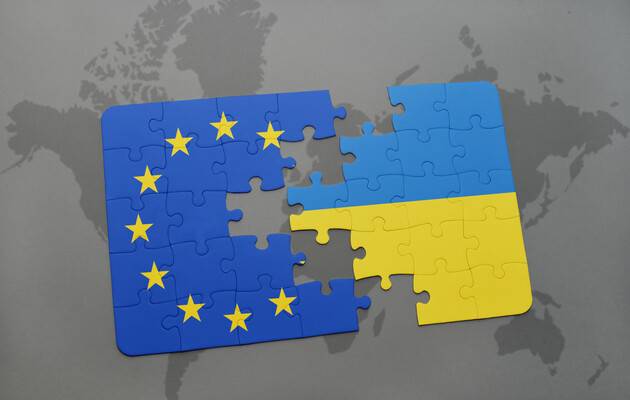
The European Commission approved the plan for launching the Ukraine Facility program and suggested that the EU Council adopt the document. Currently, EU members must adopt the proposed implementation decision within a month. As noted in the Ministry of Economy of Ukraine, this will pave the way for a full-fledged launch of the Ukraine Facility program. In fact, for the first time, Ukraine received a comprehensive economic development plan for the coming years.
Minister of Ukraine, the Minister of Economy of Ukraine Yulia Svyridenko, this plan is aimed at creating conditions for economic development and European integration in many areas of the country's life. By the way, according to her, after the approval of the implementation decision in the Council of the EU, the European Commission will also be able to provide Ukraine with up to €1.89 billion in the form of preliminary financing for the Ukraine Facility. In the future, Ukraine will also receive regular payments for the fulfillment of the quarterly indicators provided for in the plan during the 4 years of the program. As part of the transitional financing provided for by the Ukraine Facility, Ukraine has already received €4.5 billion in financial support in March 2024, and the state budget will be able to receive the next €1.5 billion in April after confirming the implementation of the plan's indicators.
The evaluation of the plan by the European Commission is based on the criteria established by the Ukraine Facility regulation. It is considered that the Ukraine Facility meets the challenges associated with Ukraine's accession to the EU, as well as the needs for restoration, reconstruction and modernization. The document identifies key reforms and directions for investment that can contribute to sustainable economic growth and attract financing to strengthen the country's growth potential in the medium and long term.
It should be added that, according to experts, the potential losses of the Ukrainian economy from the strengthening of protective measures for exports to the EU may amount to approximately €300 million. As Oleksandr Avramenko, head of the committee on European integration of the association "Ukrainian Club of Agrarian Business", noted in a UNN commentary, in the EU previously agreed to extend the suspension of import duties and quotas on Ukrainian exports to the EU until June 5, 2025, while strengthening protective measures for sensitive agricultural products. The new automatic safeguard mechanism will oblige the European Commission to re-impose tariff quotas if imports of poultry, eggs, sugar, oats, maize, cereals and honey exceed the arithmetic average of the volumes imported in the second half of 2021, 2022 and 2023. One of the biggest difficulties we may face is the lack of predictability, because the calculation of the critical volume of imports by the EU begins on January 1, 2024, and it is still unknown what the final volume of critical imports will be.
"That is, a situation may arise that by the time the final text of the regulation is adopted, Ukraine will have already used a significant portion of this critical volume," the specialist explained.
Therefore, in the future, she believes, Ukrainian exporters will need to quickly decide whether to continue exporting to the EU market or to look for additional sales markets and alternative routes to other countries. Because, for example, products that go in bulk from the ports of Odessa are one logistics and price story, and finished products that go through the territory of the EU, and which have more expensive logistics, are another.
In general, experts believe that Ukraine's position should be taken into account in the new agricultural policy of the EU. As Oleg Khomenko, general director of the Ukrainian Club of Agrarian Business, noted during the Black Sea Grain 2024 conference. According to him, no less turbulent times await Ukraine on the way to European integration and work with the EU. After all, parliamentary elections to the European Parliament will soon be held, the appointment of a new member of the European Commission and, plus, Hungary will hold the presidency of the EU Council from July, and Poland from January.