 Found a mistake on the site? Tell us:

 Telegram
 укр
укр рус
рус AgriCatalogue

Land around Chernobyl deemed suitable for agriculture, but questions remain
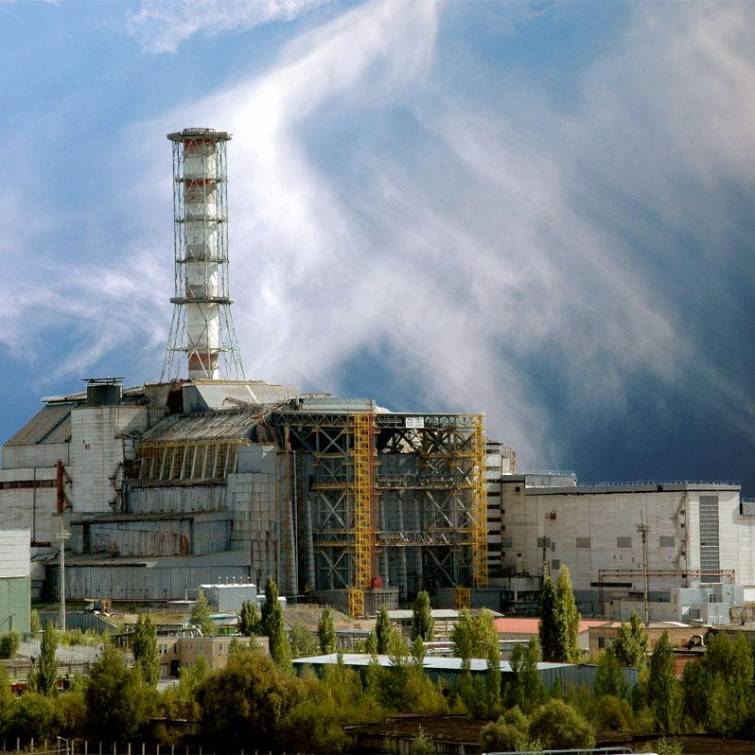
Land that was excluded from cultivation after the Chernobyl accident in 1986 has been deemed suitable for agriculture. According to a number of media outlets citing a publication in The Independent, an area of 2,000 square kilometers remained semi-abandoned.
Currently, after almost 40 years, thanks to natural radioactive decay and soil erosion, the level of pollution has significantly decreased. And a study, the results of which were published in the Journal of Environmental Radioactivity, confirms the safety of growing crops in a significant part of the Chernobyl zone. According to reports, scientists from Portsmouth assessed radiation contamination of about 100 hectares of land in the Zhytomyr region and predicted the level of absorption of radioactive elements by crops such as potatoes, grain, corn and sunflower. They concluded that the effective dose of radiation exposure for agricultural workers is significantly lower than the national safety limit established in Ukraine.
However, according to the Ministry of Environmental Protection and the State Agency for Exclusion Zone Management, the area around the Chernobyl nuclear power plant is still unsuitable for agricultural use. Government agencies noted that the study reported by scientists was not conducted in the immediate vicinity of the Chernobyl nuclear power plant, but in the neighboring Zhytomyr region. The territories contaminated in 1986 were divided into zones according to the level of danger. Regarding the Zhytomyr region, there are territories that are classified as a zone of unconditional mandatory resettlement and a zone of guaranteed voluntary resettlement. Because of this, officials reminded that the law prohibits agricultural activities in the exclusion zone and the zone of unconditional mandatory resettlement.