 Found a mistake on the site? Tell us:

 Telegram
 укр
укр рус
рус AgriCatalogue

Ukraine asks the EU to extend duty-free trade to avoid economic collapse
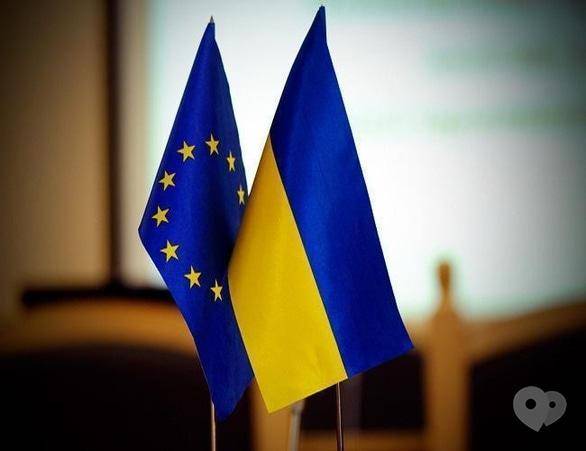
Minister of Finance Serhiy Marchenko warned in an interview with the Financial Times that the return of duties on Ukrainian goods in the European Union would have devastating consequences for the Ukrainian economy, so Ukraine hopes that the European Union will continue these measures, especially given the uncertainty regarding long-term support from the United States.
It is reminded that the term of the EU's emergency trade measures, which canceled duties and quotas on Ukrainian exports, expires on June 5. The EU's emergency trade measures, which canceled duties and quotas on Ukrainian exports, are due to end on June 5, and there is little time left to extend them. Introduced after Russia's full-scale invasion in 2022, this policy was designed to support the Ukrainian economy. Currently, our country hopes for the continuation of the measures, but Poland, Hungary, Slovakia and Bulgaria are against expanding Ukraine's access to the market. They consider the competition for their own farmers from Ukrainian farmers to be a risk to themselves.
Currently, revenues from exports to the EU account for almost a tenth of Ukraine's total export income ($41 billion in 2024). At the same time, the most likely option is a temporary extension of the current agreement, but negotiations are progressing slowly and time is running out.
It is known that the European Commission is currently finalizing a proposal for Ukraine on further trade liberalization, which will soon be presented to Kyiv. It is worth noting that, according to the European Commissioner for Agriculture, Christoph Hansen, the change in trade rules should accelerate Ukraine's accession to the EU. The fact is that Ukraine's accession to the European Union will open up access for domestic businesses to one of the largest markets in the world, but it remains to be seen how much work will still have to be done for this. Currently, Europeans demand that Ukrainian products be of high quality, affordable, and meet modern European requirements for organic, ecological, etc. The key task of Ukraine's economic integration into the EU is the adaptation of legislation, regulatory and permit systems to European standards. It should be taken into account that even before obtaining the status of a candidate for EU membership, Ukraine adapted almost 70% of the legislative acts, rules, standards and norms of the European Union. There are still 30,000 norms that need to be implemented before the signing of the agreement on accession to the EU.
Recently, the Minister of Agrarian Policy, Vitaliy Koval, emphasized that the Ukrainian side will insist on the continuation of duty-free trade until the end of the war, but an alternative scenario is also being developed. The first basic scenario is that Ukraine emphasizes that the war has not ended, so we ask to extend the regime, but with an increase in the list of sensitive products, of which there are currently seven. The second scenario is the liberalization of trade based on long-term planning to expand the number of products that can be imported into the EU. The second case concerns quotas, but revised and significantly increased.
"We would like more clarity in the forecasts. So far, we see from the side of the European Commission and the European Union an ambiguous vision of our future trade relations within the framework of autonomous trade measures. This encourages us to move and look for other markets," the government official summarized.
According to analysts, the return of duties on exports of Ukrainian agricultural products to the European Union could set trade rules back for many years. This forces Ukraine to urgently look for alternative sales markets.