 Found a mistake on the site? Tell us:

 Telegram
 укр
укр рус
рус AgriCatalogue

Winter crops have been sown on nearly ¾ of the planned areas
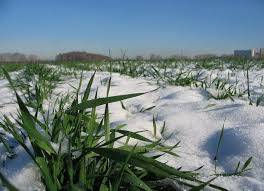
According to operational data from the Ministry of Agricultural Policy of Ukraine, winter grain crops have been sown on 3.733 million hectares in Ukraine, which is 72% of the forecast (with planned sowing at 5.188 million hectares). As of October 16 last year, the area sown with winter grains in Ukraine was 3.343 million hectares.
Currently, winter wheat has been sown on 3.349 million hectares, or 75% of the forecast (4.479 million hectares); winter barley on 331.7 thousand hectares, or 52% of the forecast (638.5 thousand hectares), and winter rye on 61.6 thousand hectares, or 73% of the forecast (70.5 thousand hectares). Sowing of winter grains is still ongoing in all regions of Ukraine, except for Luhansk. Additionally, the final phase of sowing winter rapeseed has begun, with 1.02 million hectares already sown, or 91% of the forecast (1.123 million hectares).
It should be noted that due to significant rainfall, the agro-meteorological conditions at the beginning of October have improved for soil preparation and sowing of winter grain crops in most areas of Ukraine, which has facilitated seed germination and the emergence of friendly shoots of winter crops in a short time. At the same time, in some areas of western regions, frequent rains led to over-saturation of the arable soil layer, which was unfavorable for fieldwork.
According to the ten-day report from specialists at the Ukrhydrometeorological Center, in 20% of the areas (eastern and adjacent areas of central and southern regions), where there was a shortage of effective precipitation, conditions remained unfavorable due to a lack of productive moisture in the soil, leading to prolonged soil drought. In these areas, seeds have not germinated for an extended period. Due to significant soil dryness, farms have been unable to carry out soil cultivation.
Agricultural meteorologists also pointed out that extremely unfavorable conditions (which reached the criteria for a natural hydrometeorological phenomenon) persisted in Kharkiv and Dnipropetrovsk regions, as well as in many areas of Poltava, Cherkasy, Vinnytsia, Kherson, and Mykolaiv regions until the end of the decade. The duration of the summer-autumn drought reached 60-90 days, and the affected area, according to expert estimates, covered 70-80% of the territory of these regions. Such conditions negatively impacted not only the pace of sowing but also the state of already sown areas.