 Found a mistake on the site? Tell us:

 Telegram
 укр
укр рус
рус AgriCatalogue

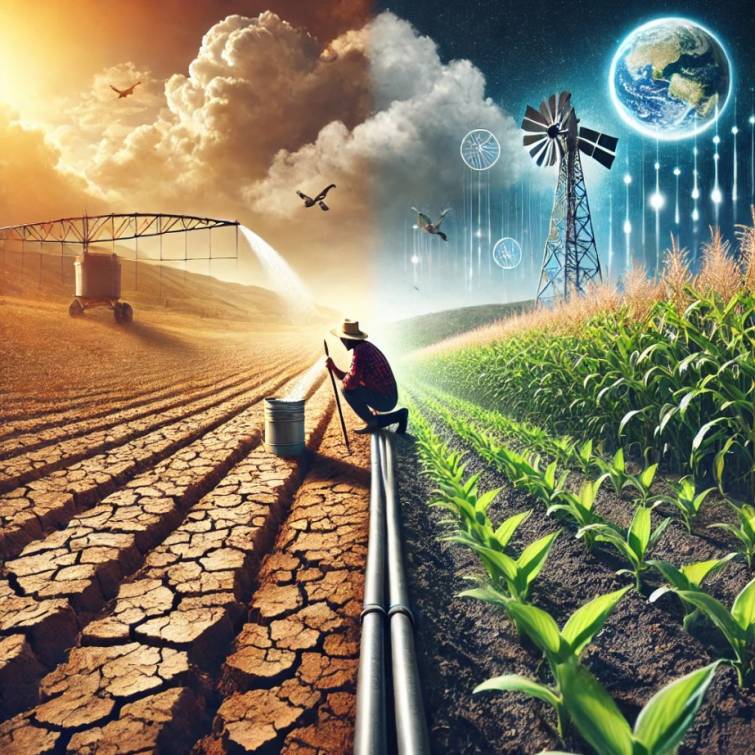
Agricultural Climate Crisis: Adaptation and Risk Mitigation Measures
Climate change is increasingly impacting agriculture. Extreme weather events, shifting rainfall patterns, droughts, and rising temperatures pose significant risks to the agricultural sector. However, there are strategies for adaptation and risk mitigation that can help farmers overcome these challenges.
How Does Climate Change Affect Agriculture?
- Extreme Weather Events: Storms, floods, and droughts are becoming more frequent, causing damage to crops and infrastructure.
- Shifting Seasons: Unstable temperatures and altered rainfall patterns disrupt traditional crop cycles.
- Spread of Pests and Diseases: Warmer climates enable the migration of pests and the emergence of new plant diseases.
- Soil Degradation: Frequent rains and droughts deteriorate soil structure, increasing the risk of erosion and nutrient depletion.
Adaptation Measures to Climate Change
-
Choosing Resilient Crops
Developing and using drought- and heat-resistant crop varieties can help farmers minimize yield losses in extreme weather conditions. -
Soil Preservation
Practices like minimal tillage, cover cropping, and mulching help retain soil moisture and reduce erosion. -
Smart Water Management
Implementing drip irrigation systems, rainwater harvesting, and water recycling optimizes the use of water resources. -
Agroforestry
Planting trees alongside crops reduces soil erosion, provides shade for plants, and improves the microclimate. -
Digital Technologies
Utilizing weather monitoring systems, soil sensors, and big data forecasting allows for informed decision-making. -
Diversifying Farms
Combining multiple crops and livestock reduces the risk of total losses during unfavorable conditions.
Reducing Climate Risks
-
Crop Insurance
Financial tools like disaster insurance help farmers recover losses from weather anomalies. -
Regional Planning
Government programs for agricultural zoning identify the most suitable crops for each region based on climate conditions. -
Investment in Research
Developing new crop varieties, water storage technologies, and soil management techniques is essential for increasing agricultural resilience. -
International Cooperation
Joint projects and knowledge exchange between countries help implement advanced technologies and develop effective adaptation strategies.
Environmental and Economic Benefits of Adaptation
Adaptation to climate change provides:
- Increased productivity under unstable climate conditions;
- Reduced environmental impact through resource optimization;
- Long-term stability of the agricultural sector.
Conclusion
The climate crisis is a major challenge for the agricultural sector, but it also presents opportunities for innovation and a transition to more sustainable farming methods. Adaptation and risk mitigation require a comprehensive approach that includes modernizing infrastructure, supporting farmers, and implementing advanced solutions. The faster the agricultural sector adapts to climate changes, the more stable its future will be.